
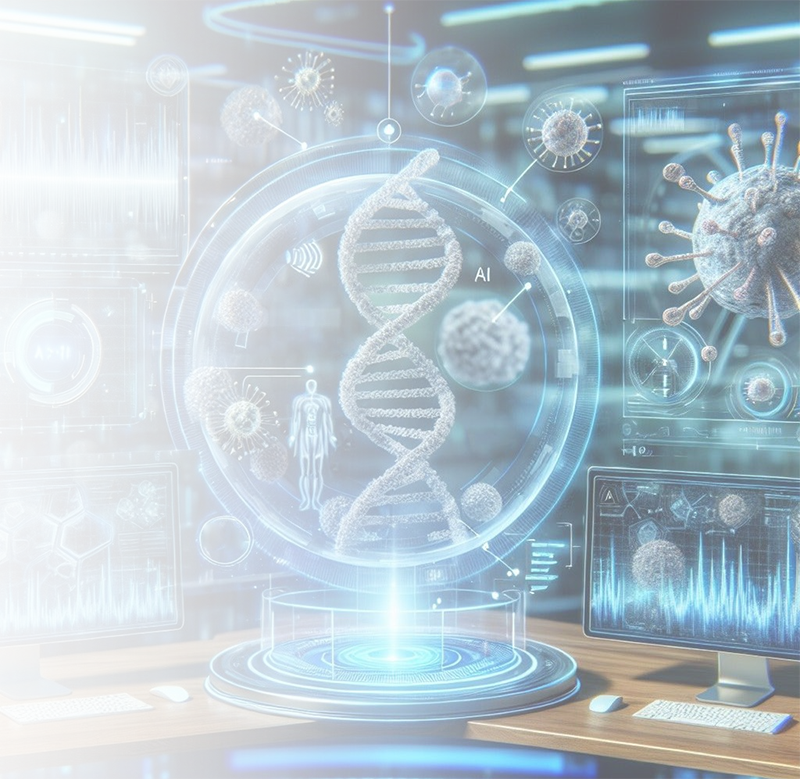
At the critical stage where longevity science transitions from basic research to clinical intervention, AI is playing an unprecedentedly central role. It can integrate a vast amount of data, including the following:
Genetic data: Whole-genome sequencing data, capable of identifying genetic variations associated with longevity and age-related diseases.
Clinical data: physical examination records, medical imaging, blood test results, etc., providing phenotypic health information;
Lifestyle Data: Continuous physiological parameters, dietary records, and environmental exposure data from wearable devices;
Omics data: including epigenomics, proteomics, metabolomics, microbiomics, etc;
Based on integrated big data, AI's impact on longevity technology research and development is revolutionary and groundbreaking:
Discovery of new targets and mechanisms: Identify key genes, novel proteins, and new signaling pathways that drive the aging process;
Drug screening and design: Quickly screen the most promising drug candidates from a vast number of compounds to enhance the success rate of research and development Power. At the same time, it significantly reduces the 10-15 years required for traditional drug discovery and greatly lowers the cost of research and development. Individualized precision scheme development: Based on individual's genetic, clinical, omics, and real-time lifestyle data, for each Generate highly customized anti-aging solutions for individuals, achieving a paradigm shift from "one drug for thousands of people" to "thousands of drugs for thousands of people" revolution